A Child of My Own Review: Quiet, Harsh, Human
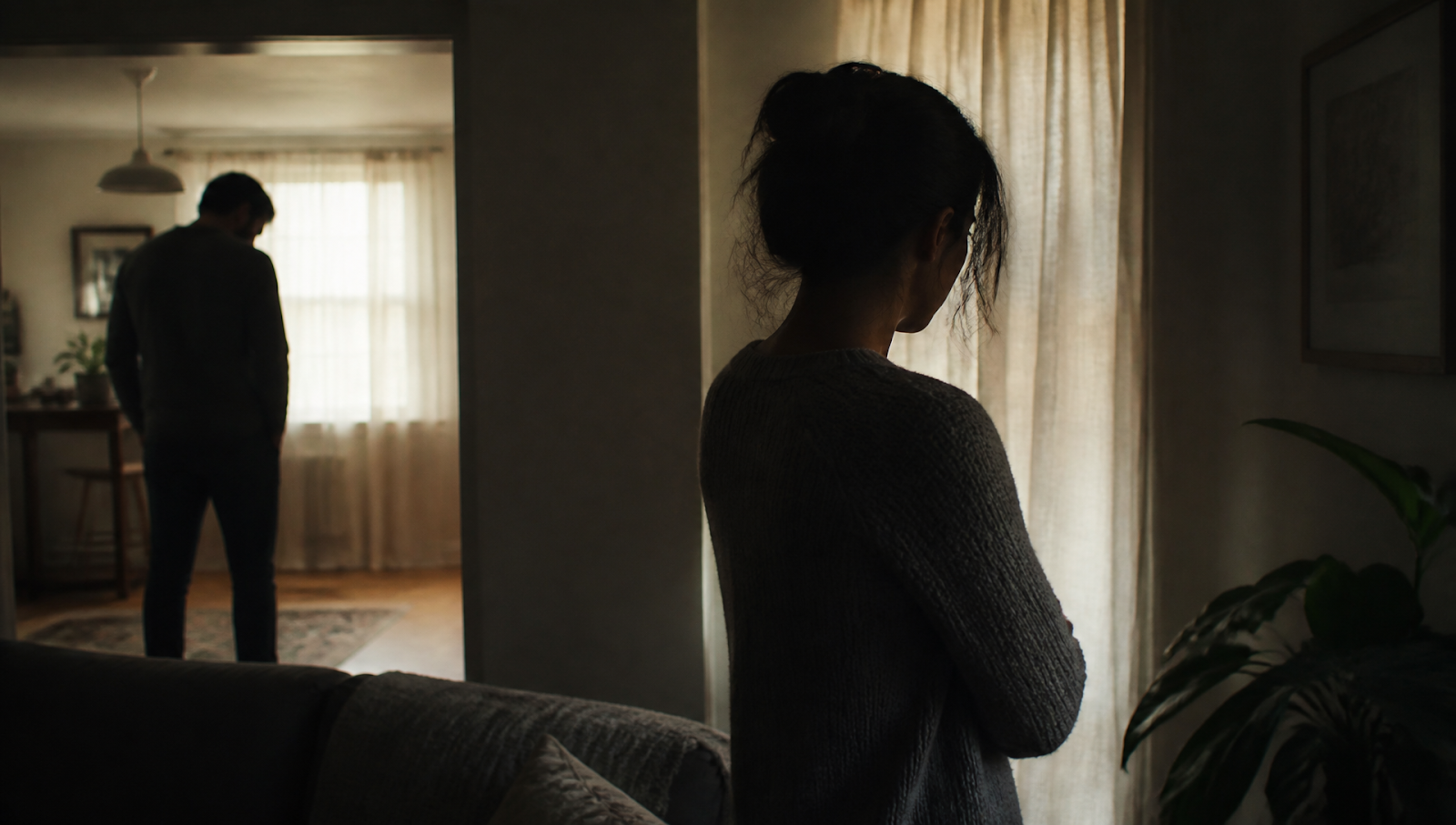
Director / Creator: Maite Alberdi
A Child of My Own starts with a situation that is hard to sit with, and that discomfort is part of what gives the film its force. Maite Alberdi frames a story about longing, pressure, and the bad choices people make when they feel cornered. This A Child of My Own review comes down to a simple reaction: the film is uneasy, carefully handled, and often more affecting than its premise first suggests.
The Setup
The film follows a woman who is desperate to have a baby and feels squeezed by family and social expectations. Instead of being able to face that pressure honestly, she fakes a pregnancy and ends up caught in a crime. The setup sounds extreme, but the film uses that extreme choice to ask how much harm can grow out of shame, fear, and the need to be accepted. It does not rush the situation. It lets the stress build in a way that feels personal rather than sensational.
Cast & Performances
The cast keeps the story grounded. Ana Celeste carries much of the film’s emotional weight, and her work helps the central figure feel like a person under strain instead of a simple headline. Armando Espitia, Ángeles Cruz, Mayra Sérbulo, Luisa Guzmán, Casio Figueroa, Alejandro Porter, Azucena Acevedo, and Yamile Pando all help create a world that feels lived in. The performances are strongest when they stay small. A look, a pause, or a change in tone often says more than a big speech could.
Direction & Tone
Maite Alberdi handles the material with patience. She does not treat the story like a twist-heavy crime piece, even though crime is part of it. Instead, she lets the emotional pressure stay in focus. That choice gives the film a steady, sad rhythm. Alberdi seems more interested in how people explain their own decisions than in forcing the audience to judge them too quickly, and that makes the film feel more honest.
Visuals & Sound
The cinematography suits the story’s mood well. The camera feels close without becoming showy, and that helps the film keep its human scale. It seems to favor spaces that feel contained, which matches the way the woman’s life tightens around her. The visuals are not flashy, but they are controlled in a way that supports the film’s sadness and pressure.
The sound design and music work best when they stay restrained. Nothing here feels pushed too hard, which helps the emotional scenes land with more honesty. The film does not lean on loud cues to tell us what to feel. Instead, the quieter sound approach leaves room for tension to rise on its own.
The early moments around the fake pregnancy set the film’s uneasy tone. Rather than turning it into a big reveal, the story treats the deception as something born out of pressure and fear.
As the woman’s world narrows, the film makes clear that the burden is not only personal. Family and social expectation become part of the trap, and that tension gives the story more weight.
Once the criminal side of the story starts to take shape, the film shifts from emotional discomfort to real danger. The change is sharp, but it still feels tied to the same desperate choices.
Later scenes focus on what it means to keep pretending when the lie has grown too large. These moments are where the film feels most painful, because the damage is already underway.
The ending avoids easy comfort. It leaves space for regret and consequence, which fits the film’s careful mood better than a clean resolution would.
Pros & Cons
- Strong central emotional idea
- Careful direction from Maite Alberdi
- Performances feel grounded and natural
- Quiet music and sound support the mood
- The film handles its subject with seriousness
- The slow pace may test some viewers
- The heavy tone can feel draining
- Those expecting a straightforward crime story may want more movement
Final Verdict
A Child of My Own is a tense, sorrowful film that trusts restraint more than noise. Its biggest strength is the way it turns a troubling premise into something deeply human. It is not easy viewing, and it should not be. For viewers open to a slow-burn documentary-drama with real emotional weight, it earns its place. Rating: 8/10.
Frequently Asked Questions
The film is a documentary, but the verified information here does not provide extra details about its source material.
It is officially a documentary, but the story includes crime elements and a strong dramatic focus.
No, it feels measured and patient, which suits the emotional weight of the story.
Maite Alberdi directed the film.
Related Titles You Might Like
- The Father
- The Sound of Silence
- Nomadland
- Minari
- Tár
Discussion ()