A Dive into the Depths of 'The Night House'
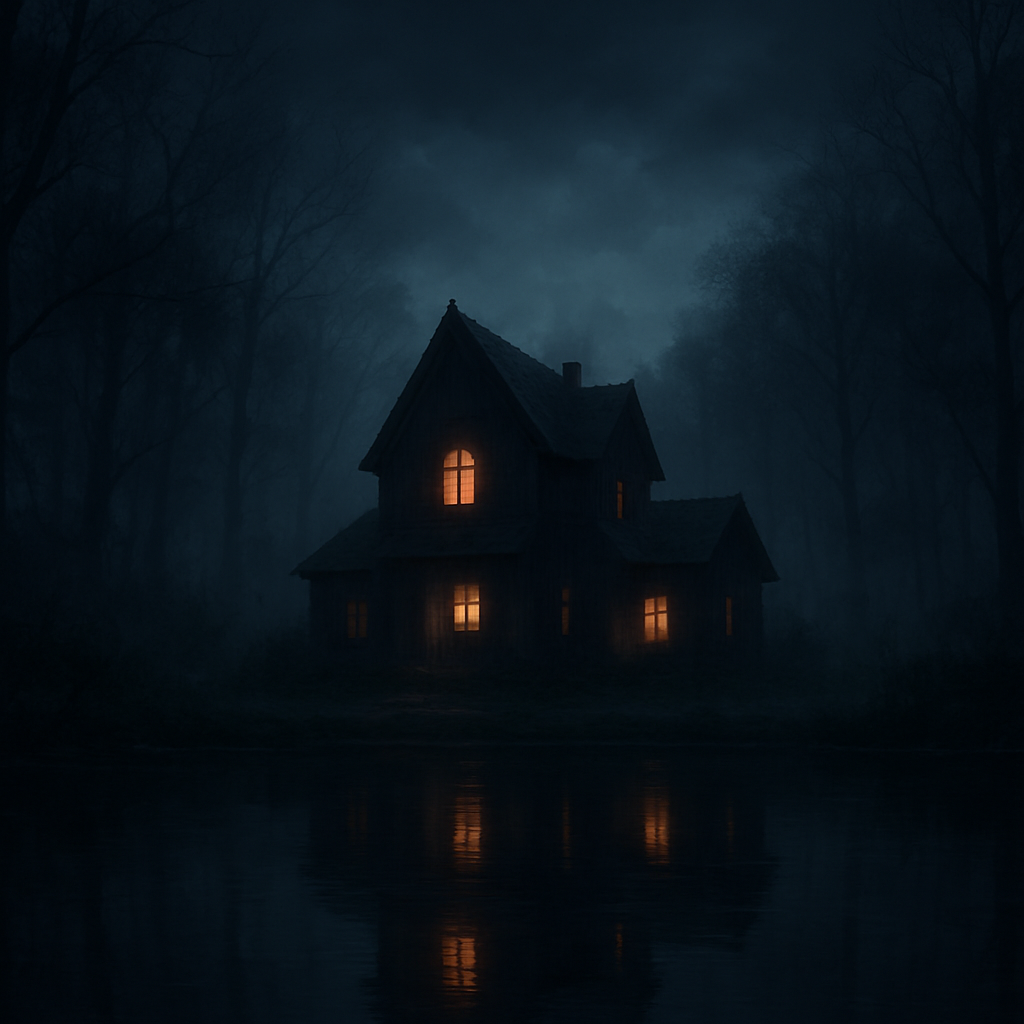
Director: David Bruckner | Industry: Film
At the center of 'The Night House' is Beth, a woman wrestling with her husband's unexpected suicide. This cannot be merely a backdrop; it courses through every frame, leveraging grief as a conduit for horror.
Directed by David Bruckner, the film fuses psychological depth with supernatural dread, but not without its inconsistencies. The film’s ambitious themes often become muddled, yet it still manages to leave a lasting impact.
The Setup
After her husband's sudden death, Beth returns to their secluded lakeside home, grappling with profound isolation and unanswered questions. As she investigates her late husband’s hidden existence, Beth encounters unsettling phenomena that lead her to uncover dark secrets about their life together.
The stakes heighten as Beth’s grasp on reality begins to slip. Each revelation pushes her deeper into a world where grief morphs into tangible horror. The haunting images she confronts force her to face not just the secrets of her husband but the shadows of her own psyche.
Cast & Performances
Rebecca Hall carries the film with a haunting portrayal of Beth, expertly navigating a rollercoaster of emotions that oscillate between despair and defiance. Her raw and vulnerable performance resonates, especially in scenes where she grapples with visions of her husband and her encroaching madness.
Supporting performances, while effective, take a backseat to Hall’s compelling presence. Her estranged friend, played by Vondie Curtis-Hall, adds a level of concern and warmth, but he cannot escape the film’s main emotional current dominated by Hall's character.
Direction & Tone
David Bruckner crafts an atmosphere steeped in dread, employing tight pacing that mirrors Beth’s descent into madness. The film uses reflective moments sparsely, allowing the tension to build before thrusting Beth—and the audience—into moments of unnerving revelation.
However, the narrative's ambition occasionally teeters. There are moments when Bruckner’s vision becomes clouded by overcomplicated themes. The pacing falters slightly in the mid-second act, leaving some plot elements feeling unresolved before the final act’s reveal.
Skip this section if you haven't watched the film yet! Here are 4–5 pivotal moments that defined the movie for us:
One night, Beth experiences a chilling vision of her husband, forcing her to confront the inexplicable. This scene sets the tone for the film and solidifies her emotional plight, showcasing Hall’s talent as she shifts from fear to a desperate longing for understanding.
As Beth unearths her husband's secret life, the tension escalates. This turning point reveals a series of disturbing recordings he made, effectively blending horror with psychological exploration. The shock of her findings embodies the film's exploration of hidden truths that can distort love and memory.
In a heart-pounding climax, Beth confronts the supernatural entity that seems entwined with her husband’s fate. This sequence is rife with emotional intensity, compelling her to question both her sanity and sense of safety. It forces the audience into the depths of her psychological torment.
The concluding revelations surrounding her husband’s actions are both heartbreaking and chilling. While this twist aims to deliver profound insight into the interplay of love and betrayal, it can feel rushed, leaving some viewers grappling for clarity amidst the chaos.
Visuals & Sound
Cinematographer Elisha Christian employs stark contrasts between shadows and light, amplifying the eerie tone. Framing often isolates Beth within the expansive home, reinforcing her emotional fragmentation. Shots of the serene yet foreboding lake contrast sharply with the chaos of her mind, effectively symbolizing her internal struggle.
The score, composed by Ben Lovett, reverberates with haunting echoes that elevate the unsettling atmosphere. The use of silence and sparse sound design enhances the psychological horror, often making the viewer acutely aware of Beth's isolation.
Final Verdict
- Rebecca Hall's compelling performance captures a range of emotions.
- Atmospheric cinematography effectively enhances tension.
- Intriguing blend of psychological themes with supernatural elements.
- Some plot points feel muddled and unresolved.
- Pacing drags at times, particularly in the second act.
'The Night House' offers a stirring portrayal of grief intertwined with horror. Its strengths lie in Hall’s powerful performance and well-crafted atmosphere, but its confusing narrative and uneven pacing hinder its full potential. Fans of psychological horror will find plenty to appreciate, yet some may leave wanting clearer answers.
Frequently Asked Questions
Is 'The Night House' suitable for all audiences?
No, it contains intense themes, horror elements, and some disturbing scenes.
What genre does 'The Night House' belong to?
'The Night House' is primarily a horror-thriller with psychological elements.
Who directed 'The Night House'?
The film was directed by David Bruckner.
Discussion ()