A Fresh Spin on Horror: Review of The Invisible Man
Director: Leigh Whannell | Industry: Film
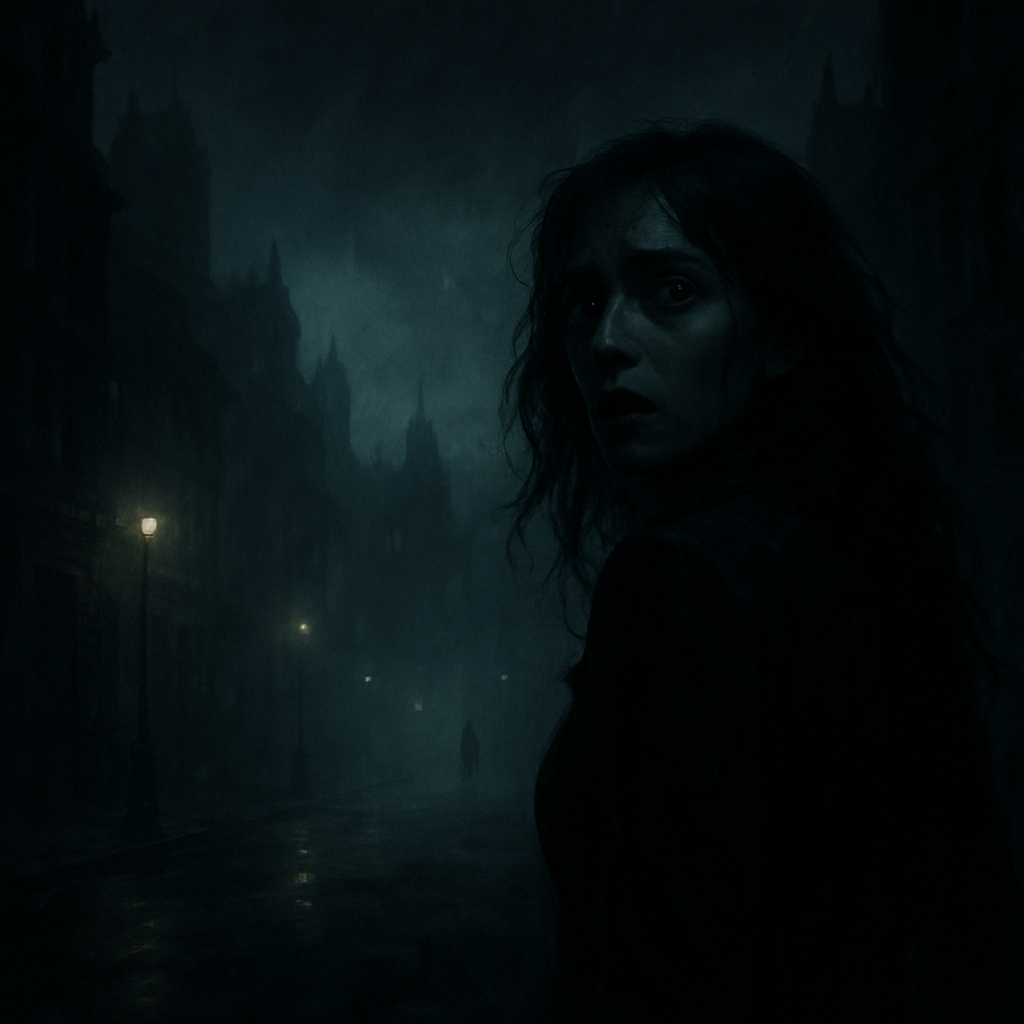
From the opening shot of Cecilia Kass (Elisabeth Moss) fleeing her abusive partner, The Invisible Man grips you with its haunting tension. The film’s exploration of psychological trauma provides a fresh take on the classic horror trope, making the invisible threat all too palpable.
Leigh Whannell’s direction brings depth to the character’s plight, highlighting the subtleties of fear that exist in everyday life. This isn't just a monster movie; it’s a reflection on survival and empowerment.
The Setup
Cecilia Kass is trapped in a controlling relationship with the wealthy scientist Adrian Griffin. After she escapes, Adrian seemingly takes his own life, but Cecilia soon suspects that he has found a way to become invisible and is stalking her. As she struggles to prove her sanity and survival, her fear escalates, leading to a tense game of cat and mouse.
The stakes are driven by Cecilia’s desire to reclaim her life, and as she grapples with the trauma of her past, it becomes clear that the real horror lies not just in Adrian's actions but in the lingering effects of abuse.
Cast & Performances
Elisabeth Moss delivers a riveting performance as Cecilia, embodying vulnerability and resilience with every scene. Her portrayal evokes empathy, especially during moments of sheer panic when she realizes she’s being hunted.
Oliver Jackson-Cohen as Adrian is chillingly effective, using his charisma to hint at deeper malevolence, while the supporting cast adds layers of realism to Cecilia's struggle. Each performance anchors the narrative, allowing the psychological elements to resonate intensely.
Direction & Tone
Leigh Whannell crafts a taut tension with deliberate pacing, often letting silence amplify the fear. The film's structure expertly balances moments of frenetic terror with quiet, introspective scenes that delve into Cecilia’s mental state.
The choice to focus on Cecilia’s perspective keeps audiences engaged; we feel her isolation and fight for validation as the unseen antagonist kicks up the stakes. Whannell avoids clichéd jump scares for genuinely unsettling moments that linger longer than they should.
Skip this section if you haven't watched the film yet! Here are 4–5 pivotal moments that defined the movie for us:
This early scene sets the stage, showcasing Cecilia's courage as she plans her escape. The tension builds through meticulous pacing, accentuated by the ominous sounds of the house, reinforcing her fear.
It's effective because it immediately immerses the viewer in her plight, making the subsequent supernatural elements feel relatable and grounded.
During a tense dinner, Cecilia's realization that she’s not alone unfolds skillfully. The sudden disappearance of the knife and the chaos that ensues exemplify her growing terror.
This moment not only shocks but highlights how her struggle for autonomy remains unseen by others, intensifying her isolation and desperation.
The film’s climax reveals Adrian’s true tactics, blending horror and psychological drama. As he taunts Cecilia in her own home, the audience feels the weight of her trauma manifest as fears come to life.
This moment works effectively because it merges the physical threat with Cecilia’s internal battle, culminating in a deep emotional resonance.
In the nail-biting final confrontation, Cecilia fights back against her oppressor, flipping the narrative of victimhood. The climax is both thrilling and deeply satisfying.
This resolution elevates the film, giving it a cathartic conclusion that empowers Cecilia, a resolution that resonates beyond the horror genre.
The film’s ending leaves viewers unsettled yet satisfied, as Cecilia confronts her abuser with newfound agency. It's a striking conclusion that feels both inevitable and necessary.
This choice resonates well, as it reinforces the themes of resilience and liberation from trauma, providing a poignant reflection long after the credits roll.
Visuals & Sound
Gunnar Willey's cinematography plays a vital role in establishing the film's tension. The framing often places Cecilia in expansive spaces, accentuating her isolation and vulnerability.
Lighting also contributes significantly, with stark contrasts used to evoke fear and anticipation. Shadows move in unsettling ways, making the viewer question what’s truly there and what might be lurking just out of sight.
The score, composed by Benjamin Wallfisch, is haunting yet sparse. The sound design effectively uses silence to build unease, often punctuated by sudden, jarring notes that keep viewers on edge.
Final Verdict
- Strong performance by Elisabeth Moss, enhancing emotional depth.
- Effective use of sound and silence to build suspense.
- Clever direction that pays tribute to the original while modernizing the narrative.
- Tight pacing that balances horror with character development.
- Some plot elements may feel predictable for horror fans.
- Limited character development for supporting roles.
The Invisible Man is a refreshing take on horror, combining psychological intensity with social commentary. It’s not merely a ghost story but a potent examination of empowerment in the face of abuse.
For those who appreciate horror that provokes thought, this film is essential viewing, highlighting a survivor's journey against invisible chains.
Frequently Asked Questions
Is The Invisible Man a remake?
Yes, it's a modern reimagining of H.G. Wells' 1897 novel, emphasizing contemporary themes.
Can I watch it with family?
It's rated R for strong horror elements, so it's more suitable for adult viewers.
What genre does the film belong to?
The film is primarily a horror/thriller, with psychological elements.
Discussion ()