A Lingering Echo: Review of 'The Invisible Man'
Director: Leigh Whannell | Industry: Hollywood
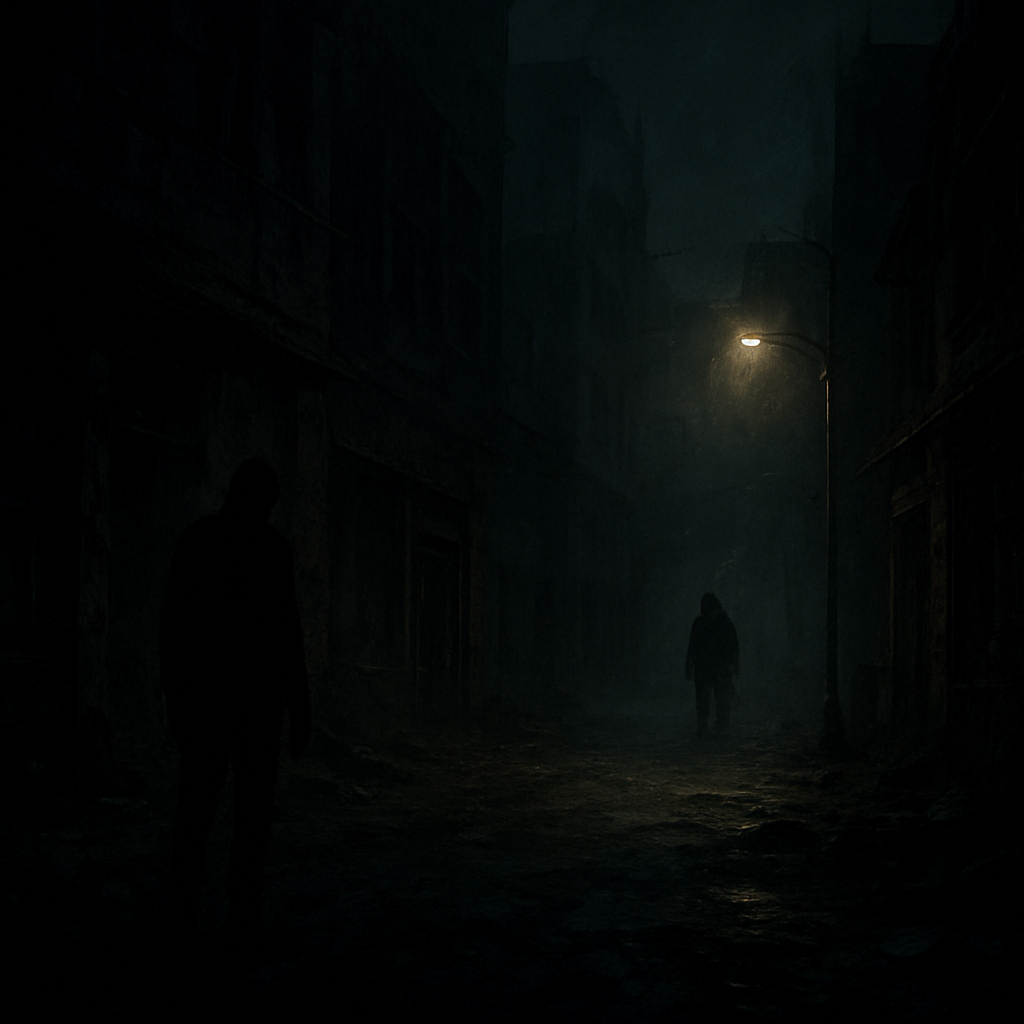
The tension in 'The Invisible Man' hangs palpably in the air, as Cecilia finds herself ensnared by a past she can't escape. With the haunting specter of her abuser looming large, the film captures the suffocating reality of a woman battling an unseen force.
Leigh Whannell's direction breathes fresh life into a familiar narrative, offering both a thrilling ride and a painful examination of trauma. It's in this duality that the film firmly grasps the audience's attention, leaving a lingering impact that well exceeds its runtime.
The Setup
Cecilia Kass (Elisabeth Moss) escapes from an abusive relationship with a renowned scientist, Adrian Griffin. After she learns of his mysterious suicide, she hopes to reclaim her life. However, strange occurrences lead her to believe that Adrian has found a way to turn himself invisible, haunting and manipulating her from the shadows.
The stakes rise as Cecilia must prove her sanity while grappling with her growing paranoia. The film expertly intertwines elements of science fiction and psychological horror, exploring themes of control and the scars left by abuse.
Cast & Performances
Elisabeth Moss delivers a gripping performance, embodying both vulnerability and fierce determination. The moments when she oscillates between fear and fury resonate deeply, particularly in scenes where she confronts the intangible threat of Adrian.
Oliver Jackson-Cohen's portrayal of Adrian is chillingly understated. He becomes a menacing presence without ever being physically present. His ability to evoke dread, combined with Moss’s powerful reactions, creates a palpable tension throughout the film.
Direction & Tone
Leigh Whannell skillfully crafts a claustrophobic atmosphere, utilizing silence and space to amplify tension. The pacing is intentionally deliberate, allowing the audience to share in Cecilia's sense of isolation. Moments linger uncomfortably, drawing viewers into the psychological torment she experiences.
Whannell's choice of perspective is also noteworthy. By keeping the threat off-screen, he manipulates audience expectations and builds suspense, letting viewers feel the profound uncertainty that accompanies Cecilia's journey.
Skip this section if you haven't watched the film yet! Here are 4–5 pivotal moments that defined the movie for us:
The moment Cecilia first feels the presence of Adrian in her home is masterfully executed. As she begins to lose her grip on reality, the tension heightens with every creak and whisper. This scene effectively sets the stage for the ensuing chaos, immersing the audience in her increasingly frantic perception of safety.
At the dinner with her friends, Cecilia attempts to assert her reality, only to have Adrian manipulate the situation. The revelation of the invisible presence manipulating objects is shocking. This turning point highlights the isolation and disbelief that a victim often faces, driving home the psychological horror element of the narrative.
The climax, where Cecilia confronts Adrian directly, is both empowering and devastating. As she finally finds a way to expose him, the intertwining of her survival instincts and past trauma is painfully evident. It serves as a cathartic release, with the stakes at their highest.
The final confrontation in Adrian's lair brings resolution to Cecilia's harrowing journey. The intensity and stakes feel genuine, representing her reclaiming power from the shadows of her past. This pivotal moment resonates thematically and emotionally, making it a high point in the film.
Visuals & Sound
Florian Ballhaus’s cinematography captures the claustrophobic nature of Cecilia's world beautifully. The strategic use of light and shadow creates an illusion of the invisible presence lurking in every corner. Wide shots emphasize Cecilia’s isolation, while close-ups convey her desperation and determination.
The score, composed by Benjamin Wallfisch, complements the film's tension effectively. The sparse use of music, combined with haunting silences, keeps viewers on edge. Key moments in the film are underscored by unsettling sound design that enhances the sense of dread and isolation.
Final Verdict
- Strong central performance by Elisabeth Moss.
- Tense atmosphere enhanced by sound and silence.
- Innovative approach to the horror genre.
- Thought-provoking themes of trauma and abuse.
- Effective use of cinematography to create suspense.
- Some plot elements may feel predictable.
- Limited development of supporting characters.
'The Invisible Man' stands as a sharp, modern take on a classic horror story. Its insights into trauma and abuse elevate it beyond standard fare. Viewers seeking psychological depth alongside thrills will find a rewarding experience here.
Frequently Asked Questions
Is 'The Invisible Man' a direct remake of the 1933 film?
Not directly; it reimagines the story with a modern twist focusing on themes of abuse.
What genre does the film fall under?
It's primarily a horror thriller with elements of psychological suspense.
Discussion ()