A Tangled Tale of Love and Loss in 'The Fault in Our Stars'
Director: Josh Boone | Industry: Film
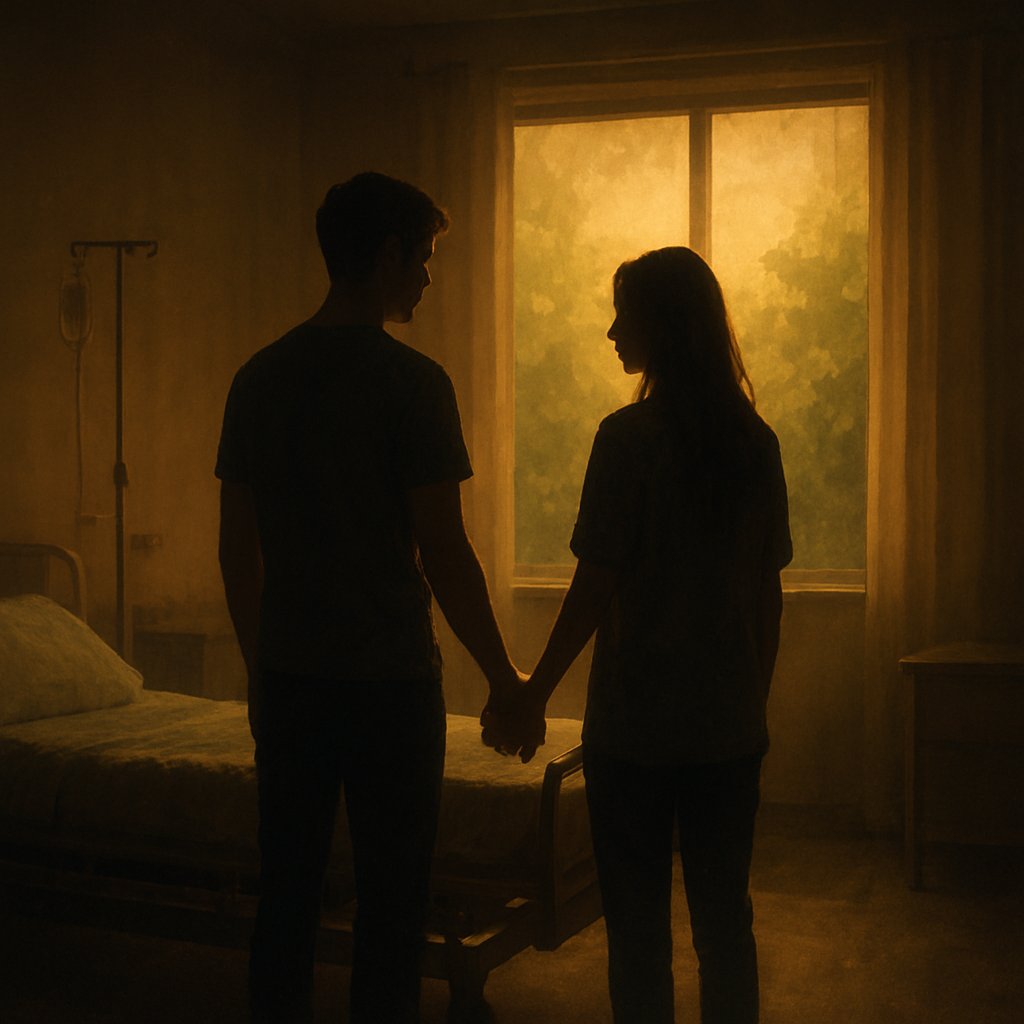
The central relationship in 'The Fault in Our Stars' radiates warmth, yet it’s grounded in a stark confrontation with mortality. The film captures the fleeting nature of teenage love against the backdrop of terminal illness. This blend of humor and heartbreak makes for a compelling narrative.
However, the film doesn't quite escape the clichés of its genre, risking the emotional weight it attempts to convey. Still, its strengths in character connection leave a lasting impression.
The Setup
'The Fault in Our Stars' follows Hazel Grace Lancaster, portrayed by Shailene Woodley, a sixteen-year-old cancer patient who reluctantly attends a support group. Here, she meets Augustus Waters, played by Ansel Elgort, a charming survivor who's learned to live for the present.
Their relationship blossoms as they bond over shared experiences and literature, specifically Augustus's favorite book, which reveals deeper themes of life and death. The stakes rise as they navigate their feelings amidst health uncertainties, facing both joy and inevitable sorrow.
Cast & Performances
Shailene Woodley delivers a layered performance, capturing Hazel's vulnerability and wit. Her chemistry with Ansel Elgort feels genuine, marking their dialogues with playful teasing and an underlying sense of urgency. Elgort plays Augustus with charm that veils a deeper emotional turmoil, particularly when he confronts his own health challenges.
Supporting characters, like Nat Wolff’s Isaac, add to the emotional weight, showing the impact of illness on friendship. Each actor anchors the story, but it’s Woodley and Elgort that carry the film's emotional core, resonating deeply with audiences.
Direction & Tone
Josh Boone's direction maintains a brisk pace that balances poignant moments with lighter, humorous exchanges. The film structure flows naturally from one scene to the next, creating a rhythm that mirrors the highs and lows of teenage love. Boone effectively captures the essence of the original novel while making necessary adaptations for the screen.
However, some transitions might feel a bit too abrupt, which distracts from the emotional intensity. Despite this, Boone's focus on character-driven storytelling creates an immersive experience that engages viewers.
Skip this section if you haven't watched the film yet! Here are 4–5 pivotal moments that defined the movie for us:
In the opening scene, Hazel's reluctance to attend the support group cleverly establishes her character. The awkward silences highlight her discomfort with vulnerability, while also setting the stage for Augustus's entrance, which disrupts her monotony. This moment effectively showcases how their personalities clash and ultimately draw them together.
The scene in Amsterdam serves as a pivotal moment; Hazel and Augustus's intimacy deepens as they confront their feelings. The romantic ambiance juxtaposes the harsh realities they face, illustrating a thrilling yet bittersweet night. It works well as a turning point in their relationship, showing how love can flourish in dire circumstances.
Augustus's health deterioration is raw and unfiltered, showcasing the stark reality of living with cancer. The emotional aftermath of his decline challenges Hazel’s perspective on their earlier hope. This beats down the idealism they once shared, adding layers of complexity to their love.
The farewell scene between Hazel and Augustus is heart-wrenching, as it encapsulates their journey. Hazel's personal growth is illustrated through her sorrow, where she realizes the value of love despite its transient nature. This moment, while bittersweet, successfully resonates with the audience, leaving a lingering impact.
Visuals & Sound
Cinematographer Ben Richardson employs a warm palette throughout the film, enhancing the sense of intimacy in romantic scenes. The use of close-ups conveys the depth of emotion, especially in Hazel's thoughtful moments. Editing choices wisely intersperse lighter scenes with heavier emotional beats, maintaining the film’s balance.
The film features a poignant score that underscores the narrative's emotional depth. The music complements the highs and lows, from reflective piano pieces during solitary moments to uplifting tracks during shared experiences. It enriches the overall tone, making crucial scenes resonate more.
Final Verdict
- Strong performances by leads Shailene Woodley and Ansel Elgort.
- Emotional depth that captures the complexities of love and illness.
- Well-paced direction that balances humor and heartache.
- Cinematography that enhances the narrative's emotional impact.
- Clichéd moments that occasionally undermine the story's originality.
- Abrupt transitions that can disrupt emotional flow.
'The Fault in Our Stars' successfully navigates the challenging terrain of young love intertwined with illness. It offers poignant reflections on life and loss, though it occasionally teeters into familiar territory. This film resonates with anyone looking for a heartfelt exploration of relationships amid adversity.
Frequently Asked Questions
Is 'The Fault in Our Stars' based on a book?
Yes, it's adapted from the novel by John Green.
What age group is this film suitable for?
It's appropriate for older teens due to its themes of illness and loss.
Discussion ()