Blood Sacrifice Review: A Dark Nordic Crime Drama
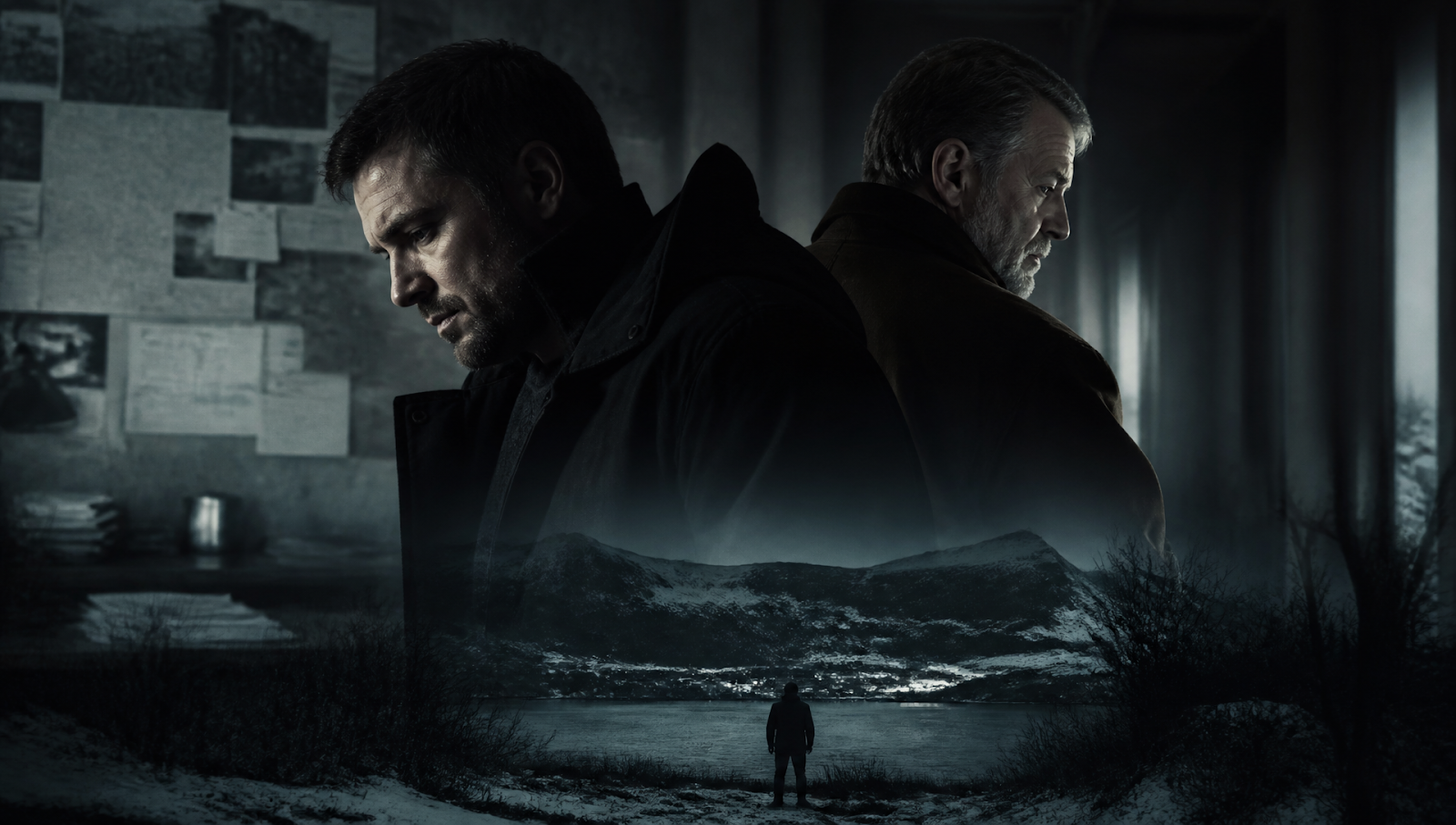
Director / Creator: George Kay
Blood Sacrifice opens with a grim promise and mostly keeps it. The series starts from a brutal crime and a damaged family bond, then leans into the tension between urgency and old pain. That mix gives the Blood Sacrifice review its sharpest edge: it’s not just about catching a killer, it’s about whether two men who can barely trust each other can work in the same direction long enough to do it.
The Setup
The setup is direct. After two police officers are murdered, a determined detective is pushed into an uneasy partnership with his estranged father, a former cop. That alone gives the story a strong engine, because every step in the investigation carries personal baggage. The series keeps the focus tight on the case and the family friction around it, which helps the early episodes move with purpose. When it works best, the plot uses each clue to deepen the mistrust between father and son instead of just stretching out the mystery. The danger is that the investigation can feel more compelling than the wider emotional arcs, which means a few quieter stretches need stronger payoff than they always get.
Cast & Performances
The cast is doing the heavy lifting here, especially in scenes built on strain rather than action. Jakob Oftebro has the kind of controlled presence the lead role needs, and Peter Andersson gives the father figure a rough, worn edge that makes the family tension feel lived-in rather than staged. Electra Hallman and Alexander Abdallah help keep the story grounded, while the rest of the ensemble adds texture to the police-world setting. What the performances do well is hold the story together when the pacing slows. Even when the script leans on familiar crime-drama beats, the actors keep the emotional pressure in place.
Direction & Tone
George Kay keeps Blood Sacrifice pointed in the right direction for most of its run. The series doesn’t rush to explain itself, and that restraint helps the mystery breathe. Still, pacing is the main thing to watch here. The opening stretch has enough tension to pull you in, but some middle sections settle into a slower rhythm that tests patience before the next big turn arrives. The show earns its quieter moments when they reveal the cost of the partnership, but it doesn’t always trim enough fat from the investigation. When the momentum picks up, though, the series feels much stronger, and the detective-father dynamic gives the story a cleaner sense of purpose.
Visuals & Sound
Visually, Blood Sacrifice leans into the crime-drama look you’d expect, but the mood matters more than polish here. The image style feels built for cold spaces, dark interiors, and faces that stay half-hidden in doubt. That suits the story well. The best visual moments are the ones that slow the pace without stopping it, letting the setting carry some of the weight. When the show gets too routine, though, the look may not be enough on its own to keep every scene feeling fresh.
The music supports the mood without crowding it. That’s a good choice for a series like this, because the story needs tension more than grand cues. The sound design and score seem aimed at keeping unease in the background, which helps during the slower scenes. It doesn’t feel like the kind of show that wants to announce every emotion, and that restraint works in its favor.
The first major crime scene sets the tone fast. It gives the series its initial charge and makes clear that this is a story built around shock, pressure, and procedure.
The detective and his father being forced back into contact is where the show slows down just enough to matter. The tension is less about what happens next and more about what these two men won’t say to each other.
When the investigation starts to connect to larger questions, the pace snaps back into place. This is where the series feels most alive, because the mystery and the family conflict finally move together.
There is a section where the story lingers on suspicion and damaged trust. It adds mood, but it can also make the momentum feel uneven if you’re waiting for the case to move faster.
The closing stretch leans harder into urgency and gives the series its best flow. It works because the emotional conflict and the crime plot finally feel like they’re feeding the same fire.
Pros & Cons
- Strong father-son conflict at the center
- Grim setup gives the mystery immediate weight
- Solid cast keeps the slower scenes alive
- Good sense of mood and pressure
- Best when the investigation and family drama move together
- Middle episodes may feel a little drawn out
- The setup is familiar for the genre
- Some emotional beats need stronger payoff
- Visual style can’t always disguise routine crime-drama structure
Final Verdict
Blood Sacrifice is a solid but uneven Netflix crime series with enough tension to hold attention, even when the pace dips. Its best asset is the uneasy bond between the detective and his father, which gives the case more emotional bite than a standard manhunt. It doesn’t always move with the sharpest rhythm, and a few stretches could use a firmer hand, but the atmosphere and performances keep it moving. For viewers who like slow-burn crime drama and don’t mind waiting for the story to tighten, this is worth a look. Rating: 6.5/10.
Frequently Asked Questions
It follows a detective who teams up with his estranged ex-cop father after two police officers are murdered.
It’s a series.
George Kay is listed as the director/creator.
It is a Netflix series.
It’s a drama, crime, and mystery series.
Related Titles You Might Like
- The Chestnut Man
- Marcella
- Luther
- The Killing
- Trapped
Discussion ()