Complicated Heart: A Review of 'The Night House'
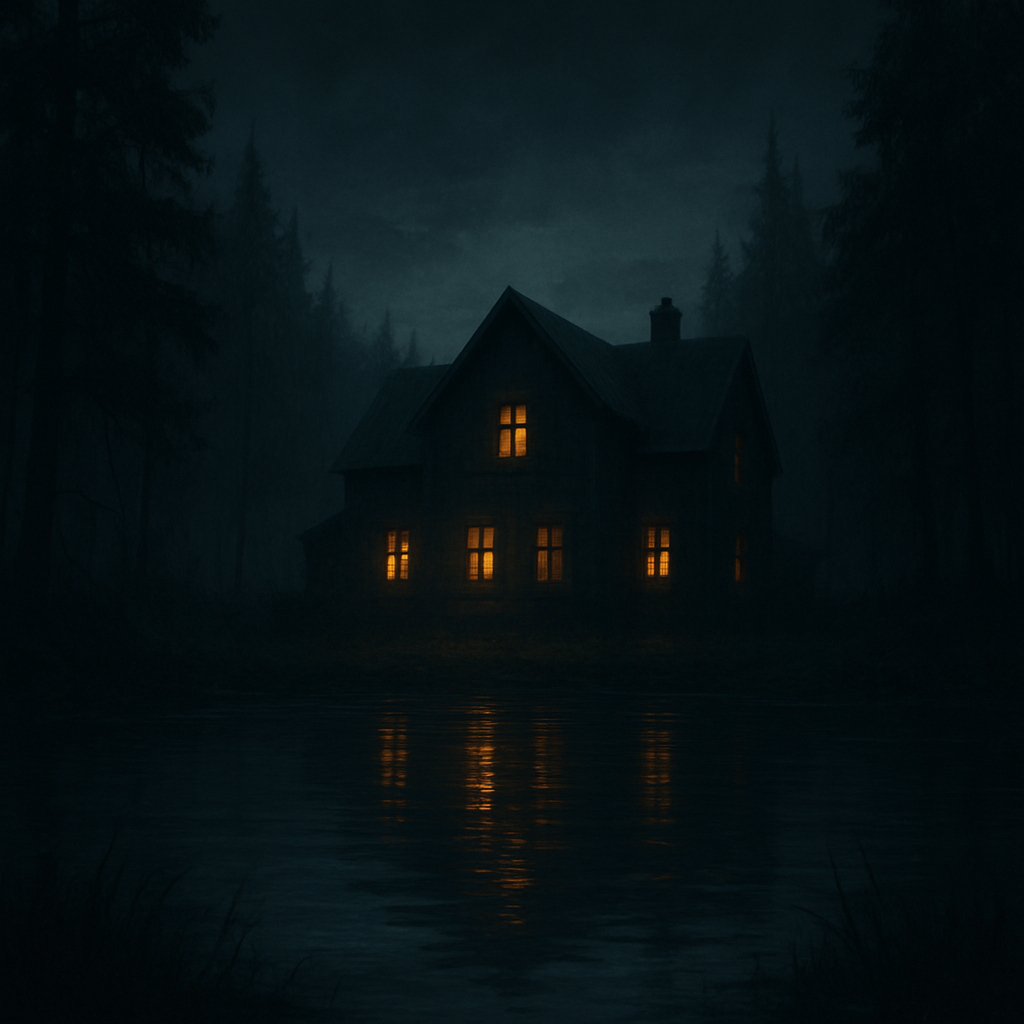
Director: David Bruckner | Industry: Film
'The Night House' draws viewers in with its eerie setting and a profound exploration of grief, challenging the boundary between reality and the supernatural.
It’s a tense, atmospheric piece that impresses with Rebecca Hall’s captivating performance but falters later in its narrative execution.
The Setup
Following the suicide of her husband, Beth (Rebecca Hall) returns to their secluded lakeside home, struggling with her loss and confronting eerie visions that unsettle her reality.
As she unravels the mysteries hidden in the house and her husband's life, the film raises questions about memory, guilt, and what lurks in the depths of grief.
Cast & Performances
Rebecca Hall carries the film with a deeply felt performance that captures Beth’s emotional complexity and gradual unraveling. Her portrayal is both raw and mesmerizing, especially in scenes where she confronts apparitions that blur the line between memory and hallucination.
The supporting cast, while effective, take a backseat to Hall’s intensity, making her journey feel all the more solitary and haunting.
Direction & Tone
David Bruckner employs a careful pacing that allows tension to build organically, using silence and ambient sounds effectively to create an unsettling atmosphere. The film’s structure cleverly weaves past and present, revealing layers of the narrative gradually, which keeps the audience engaged.
However, some scenes feel unnecessarily drawn out, affecting the pacing as it nears the climax. Towards the end, the narrative twists tangle up too deeply, leaving some threads unresolved, which may frustrate viewers seeking clarity.
Skip this section if you haven't watched the film yet! Here are 4–5 pivotal moments that defined the movie for us:
In a pivotal scene, Beth discovers her husband's hidden journals, revealing dark secrets about her life and their marriage. This moment not only serves as a turning point, driving her deeper into paranoia and investigation but also showcases Hall's range as she wrestles with confusion and heartbreak.
During a chilling encounter in the house at night, Beth sees a figure that connects her to her husband's past. This sequence is effective for its tension and the anxiety it evokes, establishing a deeper connection to her mental state. The visual composition heightens the horror, making it resonate long after the scene ends.
The climactic reveal of her husband’s true actions feels rushed. While it aims for shock, it loses emotional weight due to the lack of build-up. The twist could have anchored Beth’s journey, but it instead feels like an afterthought that diminishes the emotional stakes built throughout the story.
In a quieter moment, Beth reflects on her memories by the lake. The cinematography here captures her isolation vividly, allowing audiences to feel the weight of her isolation. This atmosphere reinforces the themes of memory and loss, grounding the supernatural elements in her emotional truth.
The visceral sequence where Beth hears the house make unsettling noises is a masterclass in creating tension through sound design. It invokes her fear and sets up an impending sense of dread, intensifying the psychological depth of the horror.
Visuals & Sound
The film’s visual style is a standout, with shadowy interiors contrasting against the tranquil but ominous lakeside setting. Bruckner's use of framing and lighting plays into the themes of isolation and fear, especially in moments where Beth is dwarfed by her surroundings, illustrating her vulnerability.
The score is subtly woven into the fabric of the film, utilizing dissonant strings and eerie melodies to amplify the unsettling atmosphere. In moments of silence, the absence of sound speaks volumes, enhancing the tension felt throughout.
Final Verdict
- Rebecca Hall's compelling performance anchors the film.
- The cinematography effectively enhances the sense of dread.
- Strong atmosphere built through sound design and pacing.
- The narrative twists can feel convoluted and rushed.
- Certain scenes drag on, affecting overall pacing.
- Supporting characters lack depth to fully engage.
'The Night House' offers an intriguing blend of psychological horror and mystery. It succeeds in creating a rich atmosphere and a powerful central performance, but its ambiguous narrative can leave viewers feeling unsatisfied. Fans of psychological thrillers with emotional depth may find it rewarding.
Frequently Asked Questions
Is 'The Night House' based on a true story?
No, it's a work of fiction, but it explores themes of grief and memory.
What genre is 'The Night House'?
'The Night House' is a horror thriller with psychological elements.
Who directed 'The Night House'?
David Bruckner directed the film.
Discussion ()