The Complex Shades of 'The Night House'
Director: David Bruckner | Industry: Film
'The Night House' opens with a chilling silence that lingers long after the lights come up. The film’s exploration of grief and isolation is both captivating and deeply unsettling.
While the atmospheric tension pulls you in, it’s the protagonist’s journey through personal trauma that truly resonates, sometimes overshadowing conventional horror elements.
The Setup
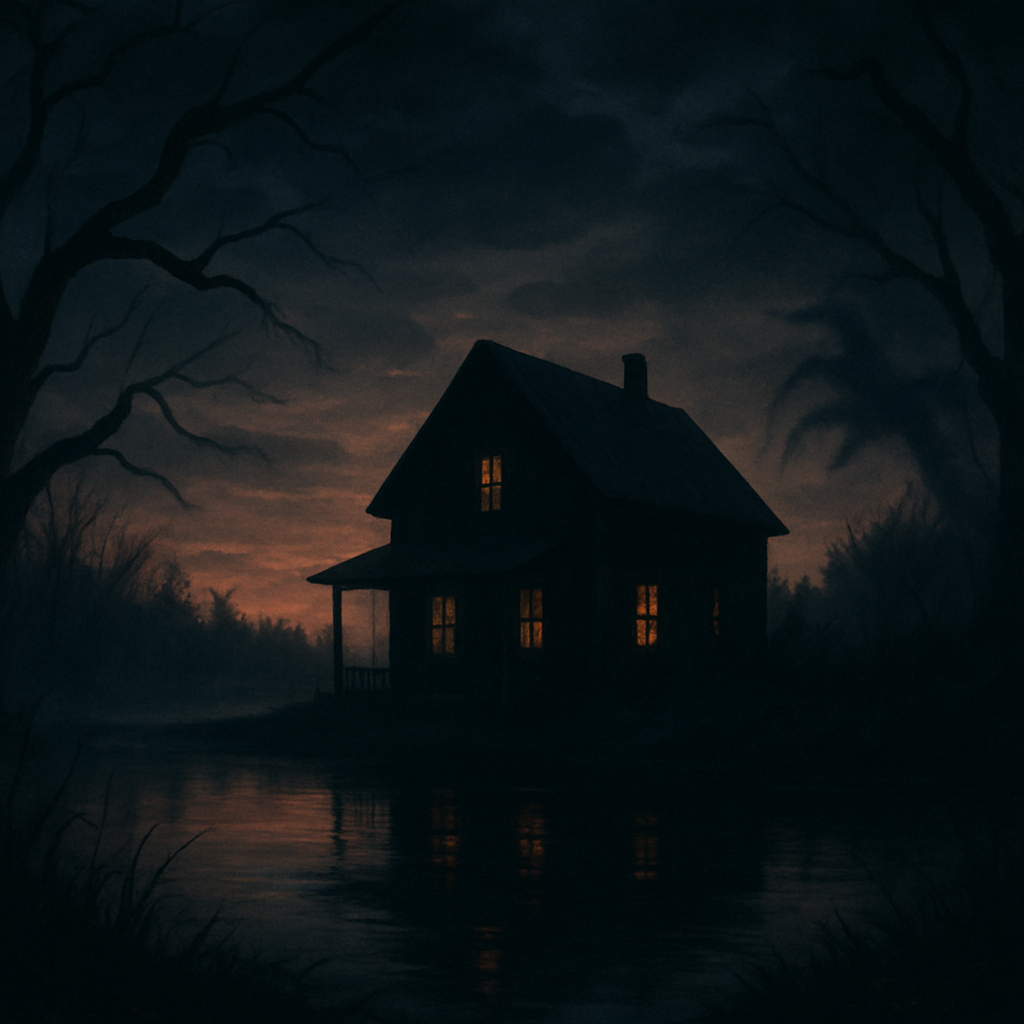
The story follows Beth, played by Rebecca Hall, who is grappling with the unexpected death of her husband, Owen. As she retreats to their lakeside home, she uncovers dark secrets about him that alter her perception of their life together.
As Beth explores the house, eerie occurrences provoke her to question not just Owen's past but also her own grasp on reality, setting up a terrifying exploration of memory and grief.
Cast & Performances
Rebecca Hall delivers a compelling performance as Beth, capturing a poignant mix of vulnerability and determination. Her emotional range shines in scenes of contemplation and fear, making her struggles feel authentic.
The supporting cast, although limited in screen time, effectively reinforces the themes of isolation and mystery, particularly Vondie Curtis-Hall as a sympathetic friend who offers support amid unsettling circumstances.
Direction & Tone
David Bruckner's direction maintains an eerie atmosphere throughout, balancing moments of quiet dread with sudden frights. The pacing keeps the viewer engaged, building tension as Beth unravels the truth about her husband.
His choice to blend supernatural elements with psychological horror creates a layered narrative that sometimes falters but remains intriguing, showcasing a distinct vision that lingers in the mind.
Skip this section if you haven't watched the film yet! Here are 4–5 pivotal moments that defined the movie for us:
One of the scariest moments comes when Beth sees a reflection in the lake that isn’t her own. This revelation challenges her sanity and hints at the darker forces at play. It effectively captures her psychological unraveling while visually demonstrating her internal turmoil.
In a climactic confrontation, Beth discovers Owen's past involving occult rituals. This scene is pivotal, redefining her understanding of their marriage and her identity. The blend of emotional weight and horror works well, immersing the audience in her horror.
The film's climax ties together the threads of grief and supernatural intrigue. Beth confronts the horrifying truth about her husband’s actions and the implications they have on her own psyche. This strikes a haunting chord, emphasizing how intertwined love and horror can be.
Visuals & Sound
The cinematography by Elisha Christian uses shadows and light to create an oppressive sense of dread. The framing of Beth against the expansive lake often highlights her isolation and emotional turmoil, effectively setting the film's tone.
The score, composed by Ben Lovett, enhances the unsettling atmosphere with haunting melodies that emphasize the film's themes. Silence also plays a critical role, with gaps left during key moments to amplify tension.
Final Verdict
- Rebecca Hall's standout performance captures emotional depth.
- Atmospheric direction creates sustained tension.
- Cinematography effectively conveys themes of isolation.
- Compelling exploration of memory and grief.
- Some narrative elements feel underdeveloped.
- Pacing slows in the mid-second act.
'The Night House' stands apart in the horror genre by focusing on psychological depths rather than just jump scares. Those seeking a blend of supernatural elements with an emotional journey will find this film resonates deeply.
Frequently Asked Questions
Is 'The Night House' based on a true story?
'The Night House' is a fictional story, but it explores real themes of grief and loss.
What genre does 'The Night House' belong to?
'The Night House' is primarily a horror film with psychological thriller elements.
Discussion ()