The Nowhere Inn: An Enigmatic Journey of Identity
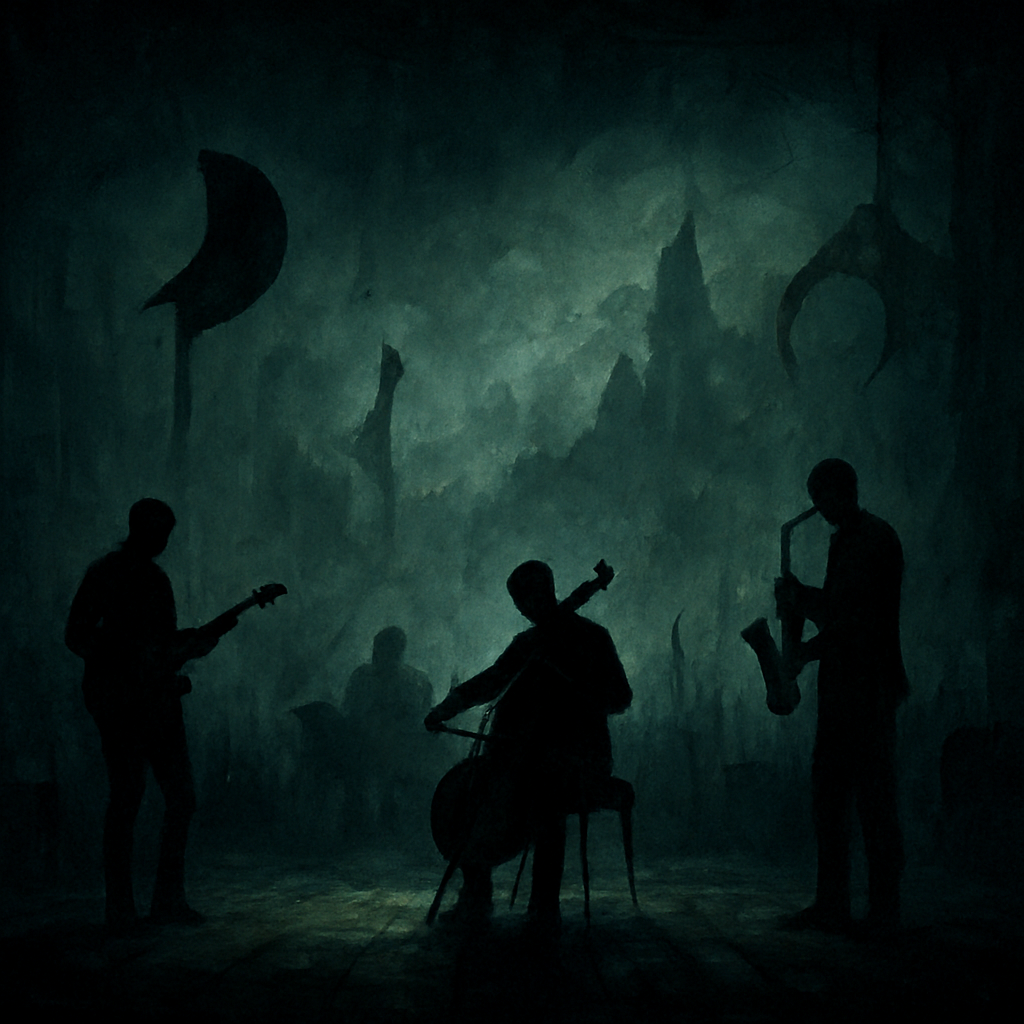
Director: Bill Benz | Industry: Film
Imagine a world where the lines between reality and performance blur in disorienting ways. In The Nowhere Inn, that tension becomes a comedic horror show that leaves you questioning not only the characters but the very nature of identity.
Despite its intriguing premise, the film often stumbles in delivering a cohesive narrative, opting instead for a meandering exploration of concepts that, while rich, aren’t always clear.
The Setup
The Nowhere Inn centers on musician St. Vincent, played by Annie Clark, as she embarks on a documentary-style road trip with her friend Carrie Brownstein, who plays a fictionalized version of herself. As they travel and perform, the film delves into themes of persona and self-image while parodying the music industry.
Things spiral into surreal territory when Clark’s on-stage persona begins to conflict with her real-life identity, leading to twisted humor and unsettling moments that reflect deep-seated fears about fame and authenticity.
Cast & Performances
Annie Clark delivers a fascinating performance that mirrors her own artistry, oscillating between charm and discomfort. Her ability to embody the duality of her character adds a layer of depth to the narrative, particularly in scenes where she grapples with her onstage and offstage selves.
Brownstein's performance also shines, bringing comedic timing to moments of absurdity while grounding the story with her earnestness. Their chemistry drives the film forward, allowing audiences to invest in their surreal journey.
Direction & Tone
Bill Benz's direction is a mixed bag. While he captures the chaotic essence of the story through erratic pacing and whimsical transitions, some might find the lack of focus confusing. This disorientation echoes the characters' struggles but can alienate viewers looking for a traditional narrative.
The blending of documentary styles with scripted elements is ambitious, though it sometimes sacrifices clarity for inventiveness. The whimsical tone is fitting, yet the inconsistency might leave some audience members frustrated.
Skip this section if you haven't watched the film yet! Here are 4–5 pivotal moments that defined the movie for us:
During a pivotal concert, Clark's character experiences an overwhelming identity crisis. As she looks out into the crowd, her perception shifts, and the audience morphs into nightmarish projections of her insecurities. This scene is pivotal as it symbolizes the conflict between her public persona and personal self, encapsulating the film's core themes effectively.
In a moment of raw vulnerability, Brownstein’s character tries to confront Clark about their diverging realities. The scene effectively showcases their friendship strained under the weight of fame's absurdity, pushing the narrative's exploration of authenticity in a public life.
In a climactic twist, Clark breaks the fourth wall, questioning the very fabric of the film itself. This revelation is jarring, yet it emphasizes the self-reflexive nature of the project, forcing the audience to reconsider their engagement with identity. However, this might prove disorienting for those who prefer a linear storyline.
The concluding performance sees Clark fully embracing her chaotic persona, but there’s an unsettling tone of resignation. It leaves the audience pondering the true cost of fame and identity in a commercially-driven world, encapsulating the film's darker themes while also closing on an intriguing note.
Visuals & Sound
The cinematography employs striking color palettes that mirror the duality of Clark’s identity. The lighting often contrasts stark shadows with vibrant bursts of color, creating an unsettling yet captivating visual experience that keeps viewers engaged.
The score blends St. Vincent's ethereal musical style with eerie undertones, amplifying the film's tension. Songs featured throughout underscore the surreal aspects and effectively intertwine with the narrative moments, enhancing the overall atmosphere.
Final Verdict
- Compelling performances by Annie Clark and Carrie Brownstein.
- Creative exploration of identity and self-perception.
- Unique blend of genres that keeps the audience guessing.
- Visually striking with smart cinematographic choices.
- Meandering narrative that can confuse viewers.
- Occasional tonal inconsistencies.
- Not all comedic elements land effectively.
The Nowhere Inn is a brave, if flawed, exploration of identity in the lens of fame, perfect for those who appreciate unconventional narratives. Those drawn to surreal humor and self-reflexive storytelling will find a lot to dissect, but traditional filmgoers may struggle to connect.
Frequently Asked Questions
Is The Nowhere Inn a documentary?
While it has a documentary style, it's a scripted film blending reality and fiction.
Who directed The Nowhere Inn?
The film was directed by Bill Benz.
What genre does the film belong to?
It's a mix of comedy, horror, and mockumentary.
Discussion ()