The Quiet Enlightenment of 'Sound of Metal'
Director: Darius Marder | Industry: Film
Sound of Metal begins in a cacophony, with the rhythmic pounding of drums underscoring the frenetic life of Ruben, a heavy-metal drummer. The film quickly shifts tone as Ruben suddenly confronts a profound silence, forcing him to grapple with an unexpected identity crisis.
This powerful exploration of loss and acceptance stands out for its intimate portrayal of deafness, but it also falters at times in its pacing, particularly in the second act.
The Setup
Ruben, played by Riz Ahmed, is a metal drummer and recovering addict who lives life at full volume with his partner, Louise. Their relationship blossoms in the vibrant backdrop of music until Ruben's world shatters when he begins to lose his hearing.
As he grapples with this seismic shift, Ruben enters a rehabilitation community for the deaf, challenging not just his identity as a musician but also the relationship with his partner and his own sense of self-worth.
Cast & Performances
Riz Ahmed's portrayal of Ruben is a striking combination of intensity and vulnerability. He embodies the conflict and frustration that comes with losing one’s passion and purpose without ever veering into melodrama. Ahmed's physicality shifts from a confident performer to a troubled soul searching for clarity.
Equally compelling is Paul Raci as Joe, the deaf community leader who guides Ruben through his journey. Raci’s performance is layered; he balances a tough-love approach with genuine compassion, providing Ruben with guidance when he needs it most.
Direction & Tone
Darius Marder's direction is both sensitive and bold, combining documentary-style realism with a narrative focus that keeps the viewer engaged. The film flows like music, with rhythms that mirror Ruben’s emotional highs and lows.
However, the pacing sags in the middle as it shifts focus from Ruben’s struggle to the deaf community. While this change offers valuable perspectives, it disrupts the momentum established earlier in the film.
Skip this section if you haven't watched the film yet! Here are 4–5 pivotal moments that defined the movie for us:
In the opening sequence, the camera captures Ruben immersed in his drumming. The soundscape is layered, emphasizing his connection to music. This choice immerses the audience in his world before the deafness strikes. It’s a powerful setup that contrasts sharply with the ensuing silence.
When Ruben first realizes he can't hear, the sound dims dramatically. Marder masterfully plays with auditory experiences, immersing viewers in Ruben’s confusion and fear. This scene marks a pivotal turning point, showcasing how Ruben’s life will disintegrate in silence.
Ruben’s arrival at the rehabilitation center presents a significant narrative shift. The contrast of chaotic sound against the quiet of the community mirrors his internal battle. The community's embrace of silence feels both alien and comforting, representing both his new reality and challenges.
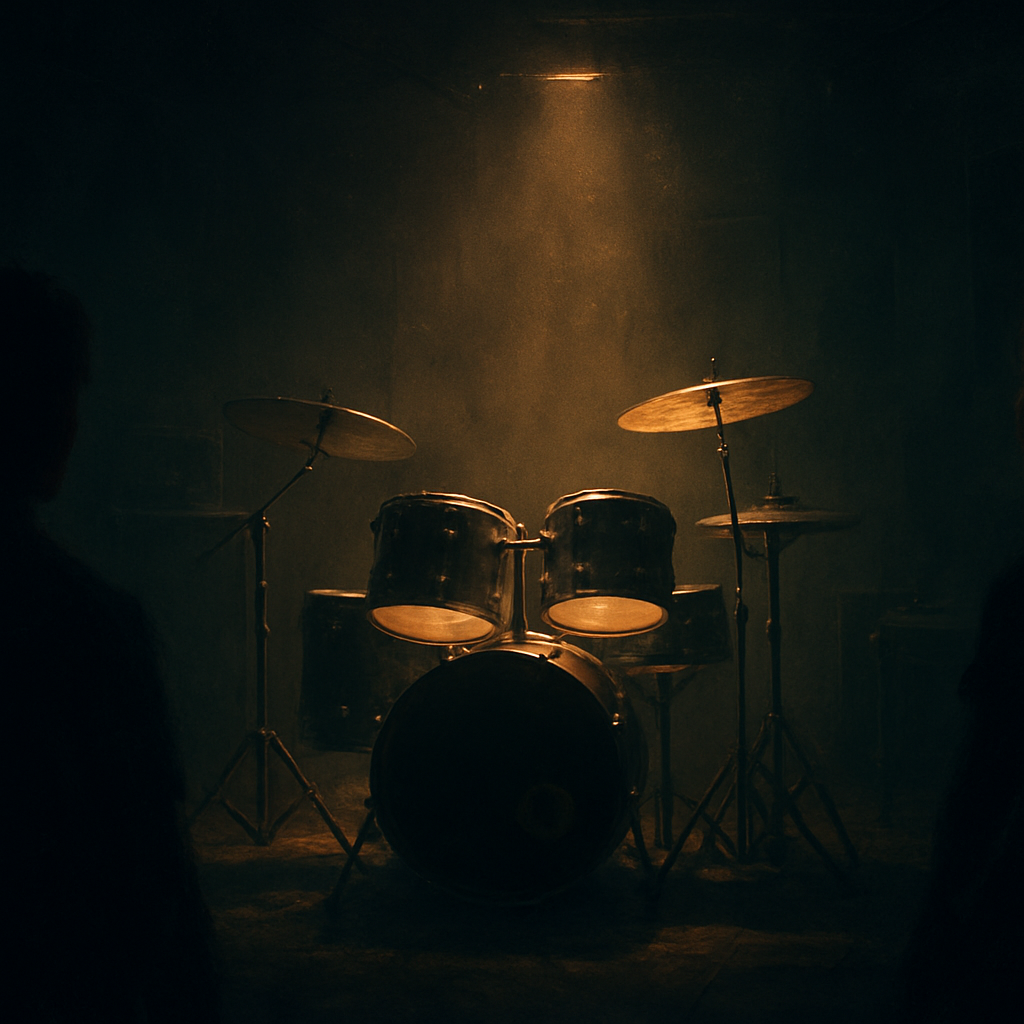
The film culminates in a haunting scene where Ruben sits at a drum set, finally acknowledging his situation. The silence envelops him, conveying acceptance rather than defeat. This choice speaks volumes about his growth and the profound impact of embracing silence.
Visuals & Sound
Shot by Daniella Perelman, the film’s visuals complement the story poignantly. Close-ups of Ruben’s face capture his whispered desperation, while wide shots of the drumming and the community's activities immerse the audience in his world. The intentional use of darkness in certain scenes enhances the feeling of isolation.
The sound design plays a pivotal role, conveying each character's emotional state. The mix of silence and distorted sound creates an immersive experience that resonates throughout the film. It turns the absence of sound into a character itself, prompting viewers to reflect alongside Ruben.
Final Verdict
- Powerful performances, especially by Riz Ahmed and Paul Raci.
- Intimate storytelling that addresses profound themes of identity and loss.
- Innovative audio design that immerses viewers in the experience of deafness.
- Pacing issues in the second act that disrupt narrative momentum.
- Some characters feel underdeveloped despite being in crucial scenes.
Sound of Metal offers a unique perspective on identity and acceptance, making it a compelling watch for anyone interested in character-driven narratives. While it stumbles a bit in pacing, the emotional weight and performances are enough to recommend it wholeheartedly.
Frequently Asked Questions
Is Sound of Metal based on a true story?
While it is fictional, it draws from real experiences of hearing loss and adaptation.
What language is primarily used in the film?
The film features American Sign Language alongside English, emphasizing its focus on the deaf community.
Who directed Sound of Metal?
Darius Marder directed the film, marking his feature debut.
Discussion ()