S&X Review: A Quiet, Uneven Drama
Director / Creator: N/A
S&X opens with a premise that could easily slip into shock value, but it keeps its tone controlled. At his clinic, sex therapist Ichito Shimotori treats intimate problems with care while carrying a private struggle of his own. That tension gives the series its pull. The show is more interested in discomfort, honesty, and emotional damage than in provocation, which makes it a better fit for viewers who want a serious drama instead of a glossy tabloid-style setup. As a S&X review, the first thing to say is that it’s calm, careful, and often effective, even if it doesn’t always move with the speed or clarity it needs.
Story Setup
The story centers on Ichito Shimotori and the people who come to his clinic with sexual concerns that are deeply personal and often tied to larger emotional problems. The series uses those consultations to build a wider picture of shame, trust, loneliness, and the way private pain can shape public behavior. It’s not a breezy watch, and it doesn’t pretend these issues are simple. Instead, it leans into a quiet, serious mood that asks the viewer to sit with the characters rather than judge them too quickly. The setup is strong because it gives the series a clear engine, but the drama depends on how well each episode connects the clinic work to Ichito’s own hidden problem.
First Big Question
The direction keeps a firm hold on tone. The material needs a steady hand, and the series generally has one. It avoids making the clinic feel like a gimmick and instead treats it as a space where people reveal more than they mean to. That choice gives the show a serious edge, but it can also make some scenes feel a little sealed off. The pacing is deliberate, sometimes almost too deliberate, and viewers expecting a faster emotional pay-off may feel the drag. Still, the direction knows what kind of drama it wants to be. It’s careful with silence, patient with awkwardness, and more interested in the uneasy pause after a confession than in a big dramatic burst.
Performances
Kento Nakajima carries the series with a restrained performance that suits the role well. He has to hold back a lot, and that control becomes part of the character’s shape. Yuko Araki and the rest of the cast help keep the show grounded, especially in scenes that could have turned stiff or overly obvious. Ryota Miura, Sawako Fujima, Aoi Nakamura, Magi, Rinka Kumada, Sayaka Yamaguchi, Yusuke Santamaria, and Shiro Sano give the drama a lived-in feel, even when the writing gives them limited room. The ensemble works best when the scenes feel personal rather than explanatory. This is not a show that depends on loud performances, and that helps it stay believable.
Visuals
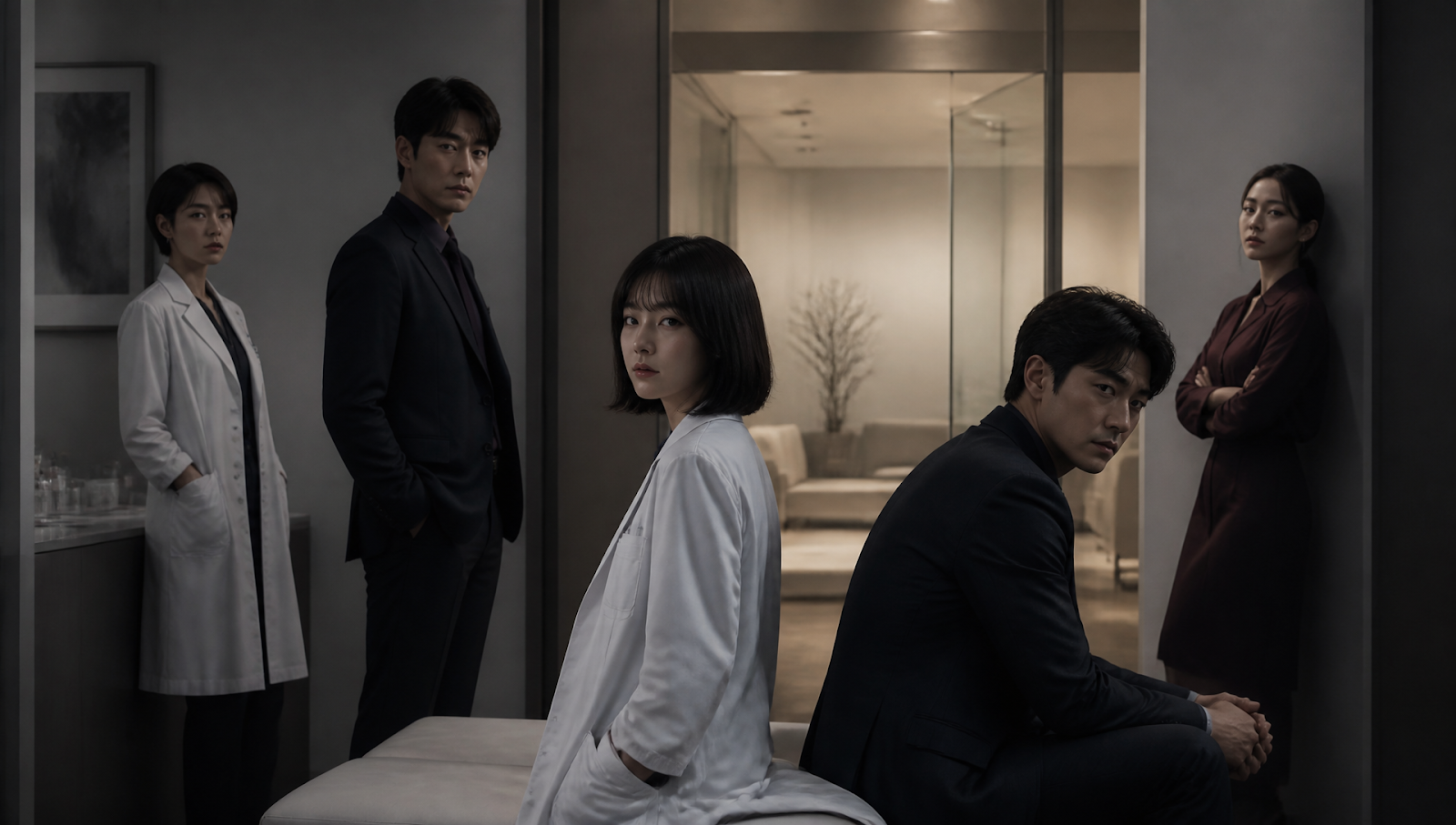
Visually, S&X keeps things clean and controlled. The clinic setting is used in a practical way, with a composed look that fits the serious tone. The camera usually stays patient, letting faces and small shifts in body language carry the scene. That works well for this kind of drama, where the smallest reaction can matter more than a big gesture. At the same time, the visual approach can feel a bit plain. It serves the story, but it doesn’t always push it to a sharper emotional place.
Music
The music stays understated, which is the right choice here. It supports the drama without trying to tell the viewer what to feel. That restraint helps the quieter scenes land, especially when the series leans into long pauses or awkward conversations. The sound design matters just as much, since so much of the tension comes from what people can’t say. The score never overwhelms the show, which is good, but it also means the music doesn’t leave a strong mark of its own.
What Improves the Movie
Strong central premise. Serious tone fits the subject matter. Kento Nakajima anchors the series well. Quiet scenes often feel honest. Supports adult viewers who like slow dramas
What Holds It Back
Pacing can feel heavy. Some episodes may seem too restrained. Visual style is effective but not especially striking. The emotional pay-off may feel delayed for some viewers
The early clinic material does important work by setting the tone. It shows how the series wants to handle intimacy with plainness rather than spectacle, and it tells you right away that the show is trying to be sincere.
This is the dramatic hook that gives the series its shape. The gap between what Ichito offers others and what he refuses to face himself is the part that makes the story worth following.
The show does its best work when a case starts as a medical or emotional concern and then exposes something harder underneath. Those scenes give the drama its most natural tension.
When the series leaves the clinic and stays quiet, it often reveals more than the dialogue does. These moments help explain Ichito without spelling everything out.
The strongest late-stage material is built on pressure, not surprise. The series gains weight when it lets the secret matter emotionally before it matters as a plot point.
Final Verdict
S&X is not the kind of series that tries to win you over with speed or style. It asks for patience, and in return it offers a thoughtful drama about hidden pain, trust, and the gap between professional care and private struggle. The cast helps a lot, and the tone stays mature without turning cold. Even so, the series could use a little more momentum and a stronger visual edge. My rating: 7.5/10. It’s a good choice if you want a serious Netflix drama and don’t mind a slower, more restrained watch.
Frequently Asked Questions
No. It’s a serious drama with a calm but heavy mood.
The clinic is the main setting, but the private life of Ichito Shimotori is just as important.
It suits viewers who like slow, adult dramas about emotional conflict and hidden personal struggles.
Not really. The series takes its time and may feel slow for some viewers.
Related Titles You Might Like
- Borgen
- One Day
- The Undoing
- Beef
- Sex Education
Discussion ()